
Safety hub
Home safety guides
Practical, government-sourced guidance on detectors, radon, fire escape planning, childproofing, and securing entry points.
Start with this safe checklist
- Test and date every smoke and CO alarm.
- Know your household’s fire escape plan and practice it.
- Address radon, entry-point, and childproofing gaps before they become incidents.
Use your model manuals and local requirements as the final authority. If a task involves fuel, energized equipment, refrigerant, concealed damage, a steep roof, or a permit, arrange qualified local help.
Guides in this collection
 safety
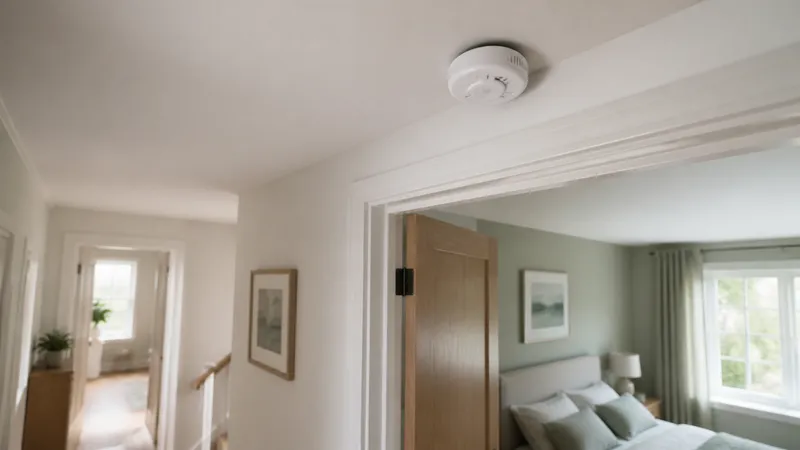
Carbon Monoxide Detector Placement: Where and How Many You Need
CPSC and NFPA guidance on where to install CO alarms: on every level, outside sleeping areas, and inside bedrooms with fuel-burning appliances.
 safety
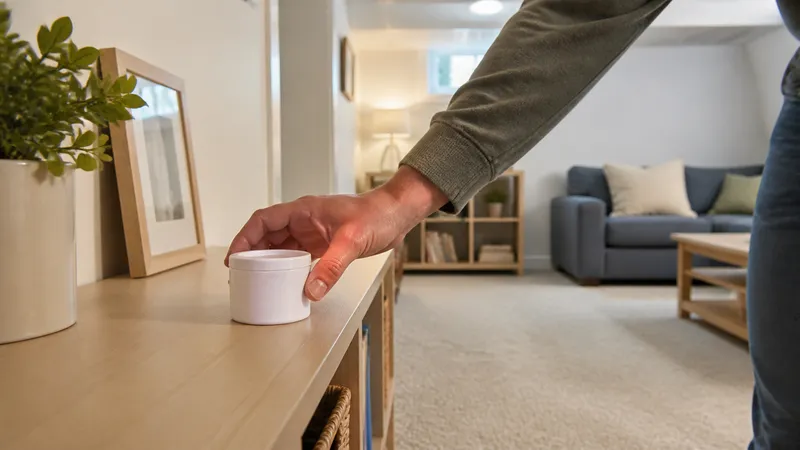
Do You Need Radon Testing? (And How to Do It Yourself)
EPA guidance on who should test for radon, how DIY test kits work, and the step-by-step process for a reliable result in your home.
 safety
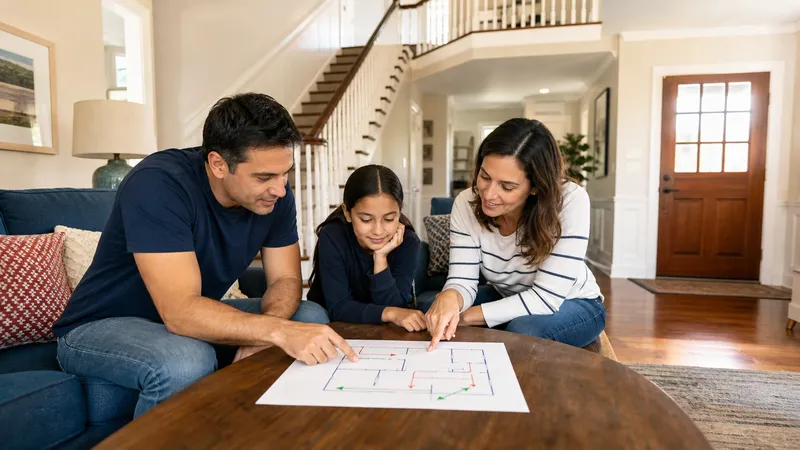
Fire Escape Plan for a Two-Story House: What to Actually Practice
USFA and Ready.gov guidance for building a two-story fire escape plan: two ways out per room, upstairs windows, and a twice-a-year drill.
 safety
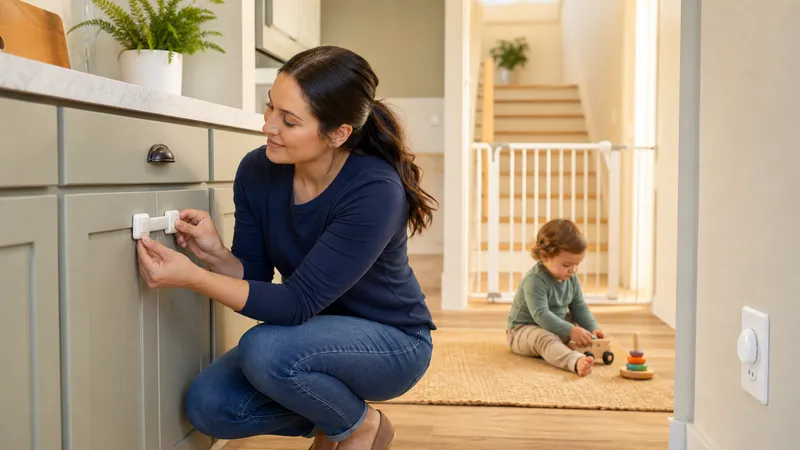
How to Childproof Outlets, Cabinets, and Stairs by Age
A room-by-room childproofing plan for outlets, cabinets, and stairs, staged by age from crawling through preschool, with CPSC-sourced safety devices.
 safety
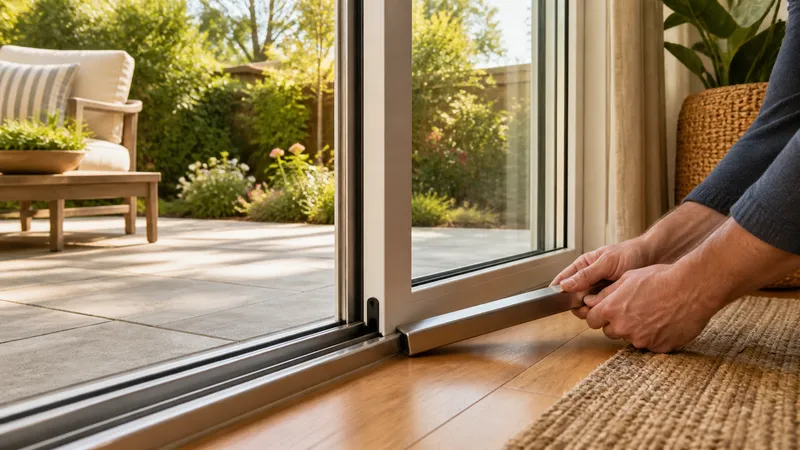
How to Secure Sliding Glass Doors From Break-Ins
How to secure sliding glass doors with a track bar, anti-lift blocks, and a pin lock, plus which fixes stop prying versus lifting the door off track.
 safety
Smart Locks vs. Traditional Deadbolts: Worth the Switch?
Smart locks vs. traditional deadbolts compared on security grade, 2026 pricing, and failure points, so you can decide which one belongs on your door.
 safety
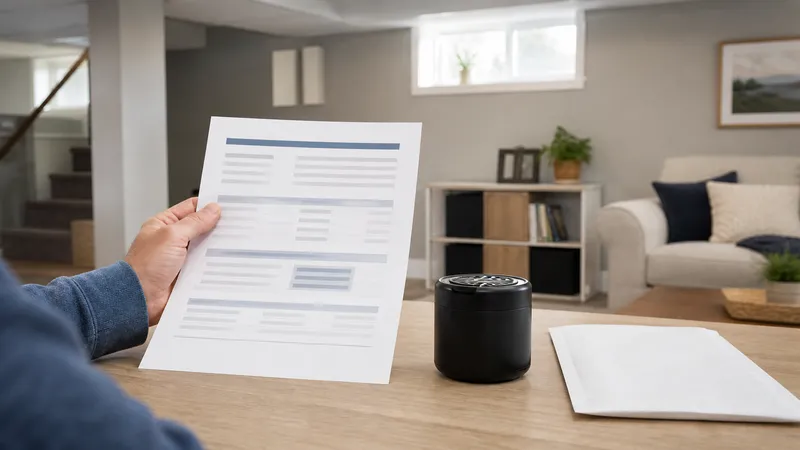
What Radon Level Is Dangerous? (And What to Do About It)
EPA's 4 pCi/L action level explained, what levels between 2 and 4 mean, and the mitigation steps that follow a high radon test result.